
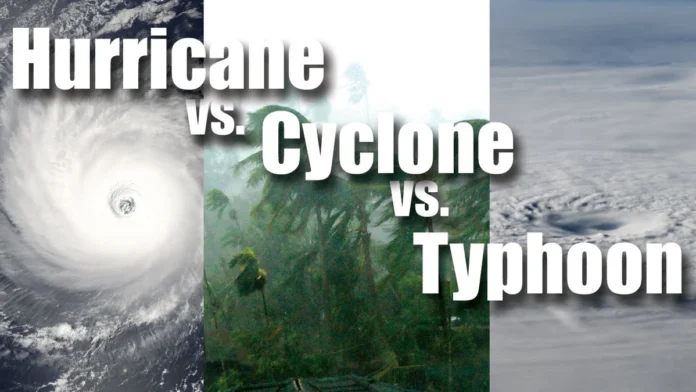
Okay, let’s be honest. Most of us vaguely know that typhoons and hurricanes are both really, really bad storms. But what’s the actual difference? Is it just a matter of geography, or is there something more to it? I initially thought it was straightforward – wind speed, maybe? – but then I dug a little deeper and realized there’s a whole meteorological story here.
Here’s the thing: understanding the nuances between these storms isn’t just about trivia. It’s about understanding the immense power of nature and how different regions prepare for and respond to these threats. It’s a matter of potentially saving lives, especially if you live in an area prone to these events. According to the National Oceanic and Atmospheric Administration ( NOAA ), awareness and preparedness are the keys to surviving these extreme weather events.
It’s All About Location, Location, Location
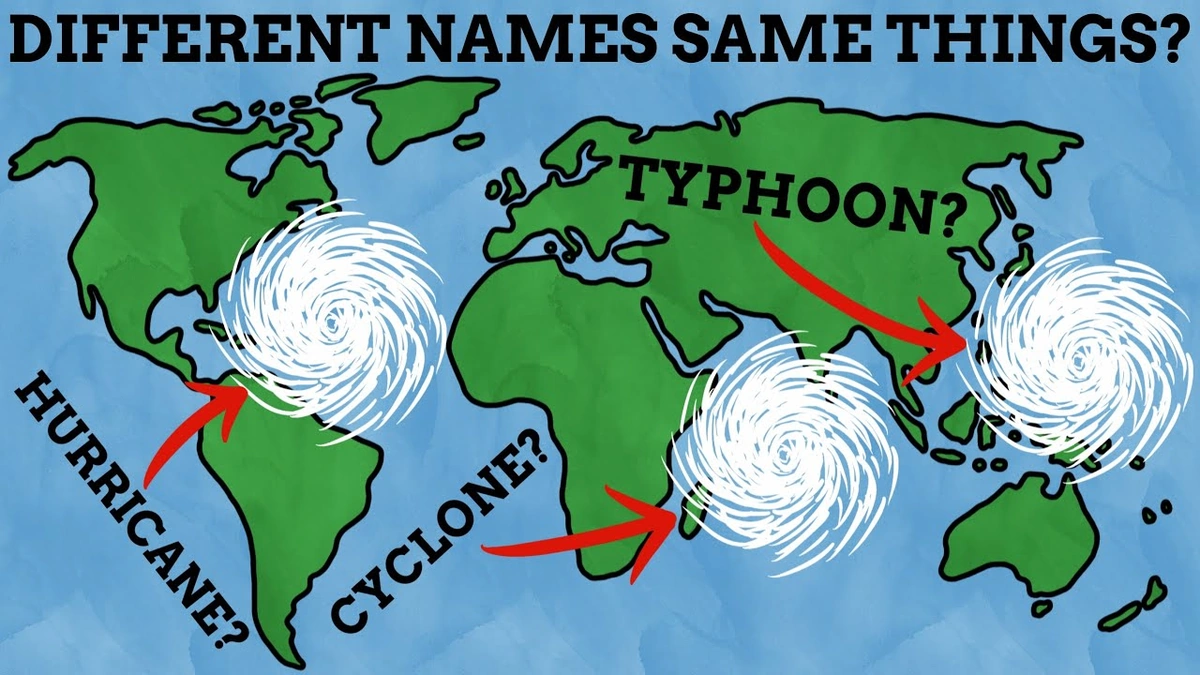
The primary difference between a typhoon versus hurricane boils down to where the storm occurs. Both are types of tropical cyclones, which are rotating, organized systems of clouds and thunderstorms that originate over warm tropical waters. Think of “tropical cyclone” as the umbrella term. But, as the storm churns in different parts of the world, we call them by different names. And that’s where the confusion and the interest, for me anyway starts.
If a tropical cyclone forms over the North Atlantic Ocean or the eastern North Pacific Ocean, we call it a hurricane. But, if it brews in the northwestern Pacific Ocean, it’s a typhoon. And in the South Pacific and Indian Ocean? It’s usually referred to as a cyclone.
Let me rephrase that for clarity: it’s like calling a “soda” a “pop” or a “coke” depending on where you’re from. Same basic thing, different regional name. But, like regional dialects, the implications can be significant. This distinction is critical for weather forecasting and emergency management.
Why Do Regional Names Matter?
You might be thinking, “Okay, different names. So what?” Well, the regional differences impact more than just vocabulary. Different regions have different warning systems, preparedness strategies, and even building codes designed to withstand the specific characteristics of the storms they face.
For example, building codes in Florida, which frequently experiences hurricanes, are often more stringent than those in some parts of Southeast Asia, which are prone to typhoons. This isn’t necessarily because one type of storm is inherently stronger than the other (though some scientists argue about potential intensity differences due to ocean temperatures), but because of the historical experience and the specific vulnerabilities of each region. Plus, the term severe weather can be subjective, so it’s important to understand what that means where you are. It’s also worth comparing tropical cyclone intensity across different regions.
And that’s where expertise comes in: meteorological organizations like the World Meteorological Organization (WMO) ensure that global standards are in place for tracking, naming, and predicting these storms, regardless of what they’re called. This ensures a level of consistency in communication and preparedness worldwide. By the way, did you know about this article?
Intensity | Are Typhoons Really Stronger?
Now, here’s where things get a little murky. While the name doesn’t dictate the storm’s intensity, there’s a common perception that typhoons are generally stronger than hurricanes. Is this true? Well, not exactly.
The intensity of a tropical cyclone depends on a number of factors, including sea surface temperatures, atmospheric conditions, and the storm’s overall organization. The Saffir-Simpson Hurricane Wind Scale is used to classify hurricanes by intensity, and a similar scale is used for typhoons. Both scales measure sustained wind speeds, and both types of storms can reach Category 5 status, the highest and most dangerous level. So, in theory, a typhoon and a hurricane can be equally powerful.
However, some studies suggest that the western North Pacific, where typhoons form, tends to have slightly warmer sea surface temperatures on average than the North Atlantic. Warmer waters fuel these storms, potentially leading to slightly higher average intensities for typhoons. But, again, this is a generalization, and individual storms can vary widely.
Beyond the Science | The Human Impact
Ultimately, whether it’s a typhoon or a hurricane, the human impact is what truly matters. These storms can bring catastrophic flooding, devastating winds, and immense suffering. Coastal communities are particularly vulnerable, but inland areas can also be severely affected by heavy rainfall and landslides. This is why disaster preparedness is crucial.
Effective communication is key to ensure everyone understands the risks and can take appropriate action. This includes clear and timely warnings, evacuation plans, and access to resources. The article you should check out!
Furthermore, long-term resilience is essential. Building codes need to be updated to reflect the increasing intensity of storms, and infrastructure needs to be designed to withstand extreme weather events. Climate change is exacerbating these threats, so proactive measures are necessary to protect vulnerable communities.
Preparing for the Inevitable | Practical Steps
So, what can you do to prepare? Here are a few practical steps, regardless of whether you’re facing a typhoon or a hurricane:
- Know your risk: Find out if you live in an evacuation zone and understand the potential hazards in your area.
- Develop a plan: Create a family emergency plan that includes evacuation routes, communication strategies, and meeting points.
- Build a kit: Assemble a disaster supply kit with food, water, medicine, and other essentials.
- Stay informed: Monitor weather forecasts and heed warnings from local authorities.
- Secure your property: Reinforce windows and doors, trim trees, and clear gutters.
FAQ | Understanding Tropical Cyclones
What’s the difference between a tropical storm and a hurricane?
A tropical storm has sustained winds between 39-73 mph, while a hurricane has winds of 74 mph or higher.
Why do they name hurricanes and typhoons?
Naming storms helps people easily identify and remember them, making it easier to communicate warnings and track their progress.
What if I live inland? Do I need to worry?
Yes. Inland areas can experience flooding, heavy rainfall, and strong winds from tropical cyclones, even hundreds of miles from the coast.
How can I track a hurricane or typhoon?
You can track storms on the websites of the National Hurricane Center (for hurricanes) or the Joint Typhoon Warning Center (for typhoons).
So, the next time you hear about a typhoon or a hurricane, remember that it’s more than just a name. It’s a reminder of the awesome power of nature and the importance of being prepared. And, honestly, what fascinates me is how humanity continues to learn and adapt in the face of these incredible challenges. It’s a matter of both scientific understanding and community resilience. And that, my friends, is a story worth following.


